Interior Design Postcard: A Modern Marketing Tool for Creative Businesses
In the fast-paced world of interior design, standing out from the competition requires more than just stunning visuals and a compelling portfolio. It demands smart marketing strategies that connect with your target audience in meaningful ways. One such tool gaining traction among designers and marketers is the interior design postcard. These aren’t just traditional paper cards anymore—they’re dynamic, customizable, and highly effective promotional assets that can elevate your brand’s visibility and drive business growth.
What Is an Interior Design Postcard?
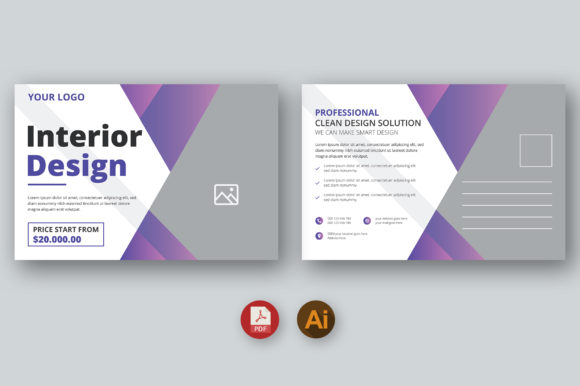
An interior design postcard is a compact, visually appealing marketing piece designed to showcase your design services, recent projects, or special offers. Unlike standard postcards, these are tailored to reflect the aesthetic and values of an interior design business. They serve as a tangible reminder of your work and can be used to promote consultations, new collections, or seasonal discounts.
Typically, they feature high-quality images of completed designs, client testimonials, a clear call-to-action (like “Book Now” or “Schedule a Free Consultation”), and branding elements like logos and contact information. With features like CMYK color, 300 DPI resolution, and a professional 6×4 inches size, these postcards are optimized for both digital editing and print quality.
Why Interior Design Postcards Are Relevant Today
Marketing in the interior design industry has evolved significantly over the past decade. While online platforms remain essential, many professionals are finding success by integrating physical materials into their outreach efforts. Interior design postcards bridge the gap between digital presence and real-world engagement, making them a powerful addition to any marketing mix.
People still respond to mail—especially when it’s visually striking and personalized. A well-designed postcard can spark curiosity, create a sense of urgency, and prompt potential clients to take action. In a market where visual appeal is king, an interior design postcard allows you to communicate your style and value proposition at a glance.
How Interior Design Postcards Fit Into Modern Marketing Trends
The rise of hybrid marketing strategies—combining digital and physical channels—has made tools like interior design postcards increasingly valuable. As businesses seek authentic, low-pressure ways to reach new customers, postcards offer a gentle nudge without being intrusive. They’re also aligned with the growing trend of personalized experiences, which resonate deeply with today’s consumers.
Moreover, the ability to quickly customize and edit these postcards using tools like Adobe Illustrator or PDF editors means you can tailor each one to suit different campaigns, regions, or client segments. Whether you're targeting homeowners in a specific neighborhood or promoting a holiday sale on furniture, an interior design postcard gives you the flexibility to adapt your message efficiently.
The Evolution of Interior Design Postcards
Traditionally, postcards were simple and text-heavy. But as technology advanced and design software became more accessible, postcards transformed into sleek, professional pieces that reflect the creativity of the business itself. Today, an interior design postcard isn’t just about delivering a message—it’s about making a statement.
With the rise of print-ready templates, designers no longer need to start from scratch. These ready-to-use files come with structured layouts, free fonts, and pre-set dimensions, enabling even those with minimal graphic design experience to produce high-quality results. For those familiar with Adobe Illustrator, the customization process becomes even smoother, allowing for quick tweaks to color schemes, imagery, and text content.
Practical Implications for Interior Designers and Marketers
Using an interior design postcard can streamline your marketing workflow while enhancing your brand's image. Here are some practical benefits:
- Cost-Effective Reach: Compared to other forms of advertising, postcards are relatively inexpensive but highly effective in reaching local audiences.
- Brand Consistency: A professionally designed postcard ensures that your branding—colors, fonts, logo placement—is consistent across all touchpoints.
- Client Engagement: Postcards can be sent after project completion to thank clients and encourage referrals, reinforcing trust and loyalty.
- Lead Generation: Including a QR code or a direct link to your website makes it easy for recipients to learn more and book a consultation.
Realistic Examples of Interior Design Postcard Use
Consider a boutique interior design studio launching a new service for home staging. An interior design postcard could feature before-and-after photos of staged homes, a brief description of the service, and a call-to-action to schedule a session. Because the template is easy to customize, the designer can update the images and text based on current projects or promotions.
Another example might be a designer offering free design assessments during a specific month. The postcard could include a limited-time offer and a sample layout showing how the assessment helps improve a space. Since the file format supports CMYK color and 300 DPI resolution, printing is hassle-free and produces sharp, vibrant results.
Choosing the Right Template for Your Business
To make the most of an interior design postcard, selecting the right template is key. Look for designs that align with your brand identity and allow for easy modifications. Many templates now support both Adobe Illustrator and PDF formats, giving you the freedom to choose the platform that best suits your workflow.
If you’re not fluent in design software, opt for a template that includes clear instructions and layer organization. This way, you can swap out images or adjust text without worrying about disrupting the overall layout. The use of free fonts also ensures you won’t run into licensing issues when printing or sharing the postcard online.
Customization Tips for Maximum Impact
Here are a few tips to help you maximize the effectiveness of your interior design postcard:
- Use High-Quality Images: Choose crisp, professional photos of your work. Avoid using stock images unless they’re clearly labeled as previews.
- Keep Text Minimal: A postcard should capture attention quickly. Use short, impactful sentences and highlight key benefits or offers.
- Include a Call to Action: Make it easy for recipients to respond. Add a website URL, phone number, or QR code linked to a booking page.
- Maintain Branding Elements: Ensure your logo, brand colors, and tagline are included to reinforce brand recognition.
- Test Different Versions: If possible, send out multiple variations of the postcard to see which performs best in terms of response rate and conversions.
Future of Interior Design Postcards in Marketing
As customer preferences shift toward authenticity and visual storytelling, the role of interior design postcards will continue to expand. Designers who embrace this tool will find themselves better positioned to engage with clients through a medium that feels personal and trustworthy.
With the increasing availability of editable templates, there’s never been a better time to experiment with postcard-based marketing. Whether you're a seasoned professional or just starting out, incorporating these postcards into your strategy can yield impressive returns with minimal effort.
Final Thoughts on Interior Design Postcards
In summary, an interior design postcard is more than just a printed piece—it’s a strategic marketing asset that combines visual appeal with actionable content. By leveraging modern design tools and focusing on clarity and aesthetics, you can create postcards that not only grab attention but also convert interest into business.
Remember, the goal is to make your postcard stand out while staying true to your brand. With the right template, a bit of creativity, and an understanding of your audience, you can turn a simple postcard into a powerful marketing tool that supports your business growth effectively and affordably.