Minimalist Logo Templates: Streamline Your Brand Design Process
In today’s fast-paced digital landscape, a strong and recognizable brand identity is essential for businesses of all sizes. One of the most critical elements of this identity is your logo. A minimalist logo design can be powerful, versatile, and timeless — but creating one from scratch can be time-consuming and challenging, especially if you're not a professional designer. This is where Minimalist Logo Templates come in handy. These templates offer a practical solution to streamline your logo creation process while maintaining a clean and professional look.
What Are Minimalist Logo Templates?
Minimalist Logo Templates are pre-designed visual assets that simplify the creation of logos with a clean, modern aesthetic. They focus on using minimal elements — such as simple shapes, limited color palettes, and clear typography — to convey a brand's message effectively. These templates are typically hand-drawn or digitally crafted to reflect an organic and artistic feel, making them ideal for creative professionals, entrepreneurs, and small business owners who want a polished yet straightforward logo.
Minimalism in logo design isn’t just about being simple; it's about clarity and purpose. These templates eliminate unnecessary details, allowing your core brand message to stand out. Whether you’re launching a startup, rebranding an existing company, or developing a personal brand, minimalist logo templates provide a solid foundation for building a cohesive and professional visual identity.
When to Use Minimalist Logo Templates
Integrating minimalist logo templates into your workflow can be beneficial at various stages of your project:
- Before a project: Use these templates to brainstorm ideas and establish a visual direction early on. This helps align your team or stakeholders before diving into full-scale design work.
- During the creative process: As part of your design phase, minimalist logo templates can serve as starting points, saving time and ensuring consistency across different branding materials.
- After finalizing your brand: You can continue using these templates to update or adapt your logo for new platforms, products, or campaigns without losing the original essence of your brand.
Use Cases Across Industries
Minimalist logo templates are highly adaptable and can be used across multiple industries and purposes. Here are some common use cases:
- Social Media Branding: A minimalist logo works exceptionally well on social media profiles due to its scalability and simplicity. It ensures your brand remains consistent across platforms like Instagram, Facebook, LinkedIn, and Twitter.
- Clothing and Apparel Businesses: Clean and uncluttered logos are perfect for clothing labels, tags, and packaging. They can be easily embroidered or printed without compromising quality.
- Business Cards and Stationery: Minimalist designs allow important information (like name and contact details) to remain legible and prominent, enhancing professionalism and memorability.
- Professional Signage and Print Materials: From storefront signs to brochures and flyers, minimalist logos ensure readability and a modern appearance in both digital and print formats.
Why Choose Minimalist Logo Templates?
Opting for minimalist logo templates offers several advantages that make them a smart choice for many designers and business owners. Let’s explore some key benefits:
Print-Ready and High Quality
Many template packages, including those labeled Minimalist Logo Templates, are designed to be print-ready. This means they maintain high resolution and clarity when printed, whether on business cards, signage, or promotional materials. The attention to detail ensures your brand looks sharp and professional offline as well as online.
Fully Vector-Based for Flexibility
The templates are usually provided in vector formats like AI and EPS. This allows for easy resizing without any loss of quality, which is crucial when preparing logos for various applications. Vector files also support layer editing, giving you more control over colors, shapes, and text placement.
Easily Editable and User-Friendly
Minimalist logo templates are often structured with clean, organized layers, making them accessible even to those with basic design knowledge. You don’t need advanced software skills to modify them. With tools like Adobe Illustrator or free alternatives such as Inkscape, you can personalize the templates to match your brand's tone and style.
Versatile Options for Every Need
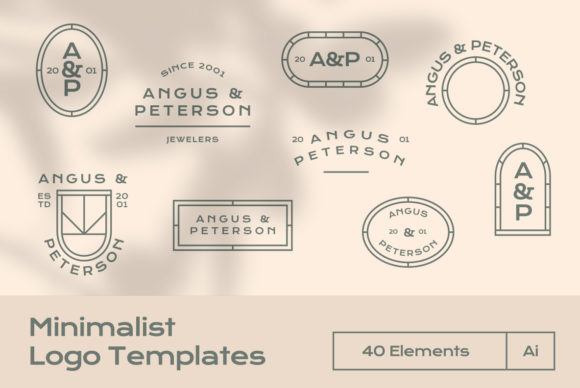
A package containing over 40 different hand-drawn minimalist logo templates provides a vast range of options to choose from. This variety ensures you can find a design that suits your specific industry, product, or service. From abstract symbols to letter-based marks, the collection caters to diverse creative needs.
Free Fonts Included for Consistency
Many template bundles include access to free fonts that complement the minimalist aesthetic. Using these fonts helps maintain visual harmony between your logo and other brand assets, like websites, presentations, and marketing collateral. This level of detail supports long-term brand consistency.
How to Integrate Minimalist Logo Templates Into Your Workflow
Using minimalist logo templates doesn't mean skipping the design thinking process. Instead, it accelerates it by providing a framework to build upon. Here’s how to integrate them smoothly into your branding or design projects:
Step 1: Define Your Brand Identity
Before selecting a template, clarify your brand values, mission, and target audience. This will guide your choice and help you customize the template in a way that reflects your unique identity. Consider questions like: What emotions should my logo evoke? Which colors represent my brand best?
Step 2: Choose the Right Template
Browse through the available minimalist logo templates and pick one that aligns with your vision. Look for elements like symmetry, negative space, and font style that resonate with your brand personality. If you're unsure, start with a few favorites and test them in real-world scenarios.
Step 3: Customize and Refine
Once you've selected a template, open it in your preferred design software. Modify colors, fonts, and layout to match your preferences. Keep changes focused on enhancing the template rather than complicating it. Remember, the goal is to maintain the minimalist appeal while adding your unique touch.
Step 4: Test and Optimize
Apply your new logo to different mediums — business cards, website headers, and social media avatars — to see how it performs. This testing phase helps identify potential issues with scalability or visibility. Based on feedback, you might tweak the design slightly for better usability and impact.
Step 5: Maintain and Expand
As your business grows, your logo may need to evolve too. Minimalist logo templates can be repurposed or combined to create variations for sub-brands, product lines, or seasonal promotions. Keeping your design assets organized makes it easier to manage these updates efficiently.
Practical Tips for Implementation
Here are some actionable tips to maximize the value of minimalist logo templates:
- Always back up your original template file before making edits. This gives you a reference point and prevents accidental data loss.
- Use naming conventions for your saved logo versions to avoid confusion. For example, “Logo_V1_Main,” “Logo_V2_WhiteBackground,” etc.
- Export your logo in multiple formats (PNG, JPEG, SVG, PDF) to ensure compatibility with different platforms and uses.
- If working with a team, set guidelines for how each person should handle the templates. This promotes collaboration and reduces inconsistencies.
- Keep a record of the fonts and colors used so you can apply them consistently across your branding materials.
Workflow Examples and Observations
Let’s look at a couple of workflow examples to illustrate how minimalist logo templates can fit into real-life scenarios:
Example 1: Startup Branding
A new tech startup wants to develop a clean, modern logo for their website, mobile app, and office signage. By using a minimalist logo template, the founder avoids hiring a designer upfront. They customize the template with their brand colors and name, then test it on mockups. Once finalized, they export the logo in multiple formats and share it with the development and marketing teams to maintain visual consistency throughout the launch process.
Example 2: Freelancer Rebranding
A freelance graphic designer decides to rebrand after three years in the industry. They select a minimalist logo template that reflects their evolved style and expertise. After customizing the template, they use it across their portfolio site, email signature, and LinkedIn profile. The result is a unified, professional presence that enhances credibility and attracts higher-paying clients.
Ensuring Long-Term Success with Minimalist Logos
Creating a minimalist logo is only the beginning. To ensure it stands the test of time, consider these factors:
- Preparation: Research your industry and competitors to understand what works visually and conceptually.
- Compatibility: Ensure the logo works well in black and white, small sizes, and transparent backgrounds.
- Usability: Avoid overly complex patterns or intricate details that may become illegible in certain contexts.
- Organization: Store your logo files and related assets in a centralized folder system for easy retrieval and management.
- Efficiency: Use the templates to speed up iterations and reduce the time spent on logo revisions during client or team discussions.
- Consistency: Apply the same logo variations across all platforms to reinforce brand recognition and trust.
- Quality Control: Always preview your logo on actual materials or screens before finalizing to catch any rendering issues.
Complementing Other Tools and Resources
Minimalist logo templates work best when paired with other branding resources and tools. Here’s how to integrate them effectively:
- Brand Style Guides: Develop a style guide that outlines how your logo should be used, including color codes, spacing rules, and acceptable variations.
- Design Software: Use tools like Adobe Illustrator or Canva to edit and export your logo in the required formats. Familiarize yourself with layer organization and smart objects to preserve flexibility.
- Collaboration Platforms: Share your logo with stakeholders via cloud storage or design collaboration tools like Figma or Google Drive for feedback and approvals.
- Marketing Channels: Adapt the logo for different marketing channels by exporting optimized versions for web, print, and social media.
Final Thoughts on Minimalist Logo Templates
Minimalist logo templates are more than just quick fixes; they are strategic tools that empower individuals and businesses to create meaningful, professional identities. When chosen and customized thoughtfully, they serve as a cornerstone for effective branding. Their ease of use, versatility, and high-quality output make them suitable for a wide range of applications — from digital marketing to physical signage.
Whether you're launching a new venture, updating your personal brand, or managing a growing business, minimalist logo templates can help you stay focused on what matters most: your message and your audience. By integrating them into your design process, you save time, reduce costs, and deliver a polished, cohesive brand experience across all touchpoints.